The RPE Load Calculator is a valuable tool used in strength training and endurance programs to measure and manage workout intensity. By combining Rate of Perceived Exertion (RPE) with training load, athletes can train smarter, recover better, and achieve consistent progress without overtraining.
Understanding RPE
The Rate of Perceived Exertion (RPE) is a scale that measures how hard an exercise feels based on effort and fatigue. Typically ranging from 1 to 10, it helps athletes gauge intensity subjectively:
- 1–3: Very light effort (easy warm-up)
- 4–6: Moderate effort (challenging but manageable)
- 7–8: Hard effort (close to fatigue)
- 9–10: Maximum effort (near or complete failure)
RPE allows athletes to adjust training loads according to daily performance, fatigue, and recovery.
What Is an RPE Load Calculator?
An RPE Load Calculator estimates total training load by multiplying weight lifted, number of repetitions, and RPE. It helps track workout stress and manage training volume more effectively.
Formula:
Training Load = Weight × Reps × RPE
This method provides a more accurate reflection of training intensity compared to weight or reps alone.
Benefits of Using an RPE Load Calculator
1. Personalized Training Intensity
RPE-based calculations adjust to individual performance levels, ensuring training intensity is appropriate for your current condition.
2. Improved Recovery Management
Tracking load through RPE helps identify when to reduce intensity and prevent overtraining or burnout.
3. Consistent Progress Tracking
By monitoring RPE loads over time, athletes can evaluate performance improvements and optimize training phases.
4. Safer Workouts
RPE monitoring reduces the risk of injury by avoiding unnecessary maximal lifts or fatigue-based errors.
How to Use the RPE Load Calculator
- Perform a set and record the weight lifted.
- Note the number of reps completed.
- Assign an RPE value based on perceived effort.
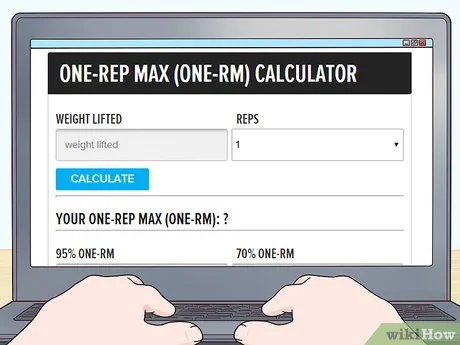
- Enter the data into the calculator to find your training load.
Example
If you lifted 100 kg for 5 reps at an RPE of 8, then:
Load = 100 × 5 × 8 = 4000
Your total session load is 4000 units, indicating moderate to high training stress.
RPE and Percentage of 1RM
RPE values often correspond to a percentage of one-rep max (1RM). For example:
- RPE 6: ~70% of 1RM (easy)
- RPE 8: ~80% of 1RM (challenging)
- RPE 9: ~90% of 1RM (heavy)
- RPE 10: 100% of 1RM (max effort)
This relationship helps lifters program workouts using both objective (1RM) and subjective (RPE) data.
Practical Application of RPE Load Calculator in Training
It can be used for:
- Strength training: Adjusting intensity by effort level.
- Endurance workouts: Tracking perceived fatigue in running, cycling, or rowing.
- Rehabilitation programs: Monitoring progress safely post-injury.
Conclusion
The RPE Load Calculator is a precise and adaptive tool that helps athletes balance training intensity, recovery, and performance. By combining perceived effort with measurable data, it promotes smarter, safer, and more effective training for athletes of all levels.
Use the calculate your training load to assess your training intensity and optimize your workout performance today.