In strength and endurance training, precision matters. The Rate of Perceived Exertion (RPE) is a proven method to gauge workout intensity based on how hard an exercise feels. An RPE calculator helps athletes and coaches translate perceived effort into measurable training loads, ensuring workouts are both challenging and safe.
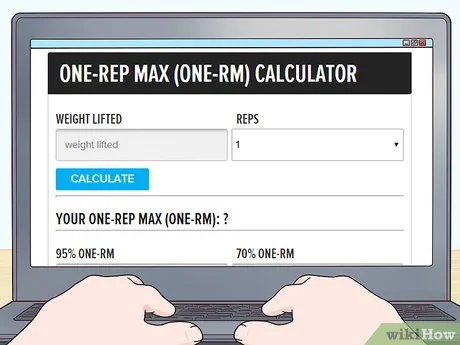
The RPE calculator is an essential tool in powerlifting and strength training, allowing lifters to tailor load and intensity based on perceived effort rather than fixed percentages. By inputting weight, reps, and Rate of Perceived Exertion (RPE), athletes can estimate their one-rep max (1RM) and adjust training loads accordingly.
What Is RPE?
RPE, or Rate of Perceived Exertion, is a subjective scale—typically from 1 to 10—that reflects how hard you feel you’re working. A lower RPE means the exercise feels easy, while a higher RPE indicates near-maximal effort. Originally developed by Gunnar Borg, the RPE scale is now widely used across strength training, endurance sports, and rehabilitation programs.
RPE Chart for Strength Training
| RPE | Reps in Reserve (RIR) | Effort Description |
| 10 | 0 | Max effort – no reps left |
| 9.5 | 0–1 | Could maybe do one more rep |
| 9 | 1 | Hard, but one rep left |
| 8.5 | 1–2 | Somewhat hard |
| 8 | 2 | Moderate challenge |
| 7.5 | 2–3 | Comfortable but working |
| 7 | 3 | Light to moderate |
| 6 | 4–5 | Easy effort |
| 5 and below | 6+ | Very light, warm-up zone |
Using an RPE Calculator
An RPE calculator helps convert your perceived effort into estimated percentages of your one-rep max (1RM). For example:
- RPE 10 ≈ 100% of 1RM
- RPE 9 ≈ 96% of 1RM
- RPE 8 ≈ 90% of 1RM
By inputting load, reps, and RPE, the calculator estimates your 1RM and suggests optimal training weights for future sessions.
Why Use RPE?
- Personalization: Adapts to daily fluctuations in strength and energy.
- Fatigue Management: Prevents overtraining by monitoring perceived effort.
- Performance Tracking: Offers more accurate long-term progress data than fixed percentages alone.
In Summary
An RPE calculator bridges the gap between data and intuition. It allows athletes to train smarter, not just harder—ensuring progress, preventing burnout, and promoting sustainable performance improvements.